

Answering Tough Backflow Prevention Questions
Clean drinking water is so available and abundant that it can be easy to overlook the complicated systems that are engineered to deliver to every home and business. Most people don’t realize that there is a municipal plumbing system before the water reaches a home that makes ready access to water possible. One of the main components of plumbing infrastructure is a device called a backflow preventer. Backflow preventers have special jobs that protect freshwater resources in piping and stringent rules that govern their inspection.
To learn about backflow preventer testing and certification, local plumbers are here to share some knowledge. With this quick article, everyone can better understand their plumbing infrastructure and how it is cared for.
What Happens When Backflow Occurs?
After water is treated, it is very important that it remains uncontaminated. Water treatment facilities work hard to remove biological and chemical threats from water to make it safe, and if things go correctly, the water will remain safe as it travels through piping all the way to the home.
However, occasionally a phenomenon called “backflow” can occur. Backflow occurs when water is pulled in the wrong direction through piping and potentially pulls contaminated water into clean water piping. Water that is pulled into the piping can contain dangerous chemicals or pathogens that are not normally present in the water. Backflow prevention devices are essentially check-valves that make sure the flow of water stays in one direction.
Homes are protected by having air gaps at each point of use in a plumbing system. In some cases, irrigation systems will have special backflow preventers that stop groundwater from backflowing into freshwater piping. On a larger scale, businesses and municipalities have special backflow preventers that must be inspected annually to ensure that they will function correctly in a backflow condition.
What Makes Certification Necessary?
Backflow preventers are reliable pieces of equipment that stay in service for years. In that time, hundreds of thousands of gallons of water can flow through a backflow preventer. With all of the work that backflow preventers do, they need to be tested to make sure they are reliable.
Backflow certification is the process where professional backflow testing and certification specialists make sure that the backflow preventers will reliably prevent contamination of water from backflow. By running a quick set of tests with specialized equipment, backflow testing specialists can check on the condition of backflow preventers and legally document their inspection according to local guidelines.
 What Qualifications Do Backflow Testing Specialists Need?
All backflow testing and certification contractors are plumbers, but not all plumbers are certified to test backflow preventers. To become certified to work on backflow preventers, a plumber must take extra courses and pass an exam.
The exam consists of a written portion where the applicant demonstrates their skills, as well as a hands-on portion where the applicants actually test real-world backflow prevention devices. Plumbers that decide to pursue the backflow testing and certification process must renew their license every two years to ensure that everyone who performs backflow testing maintains aptitude in this important skill.
About Falcon Plumbing
Falcon Plumbing has been doing backflow testing and certification for 30 years. Their qualified technicians are also ready to help with emergency plumbing services where a real person always answers the phone. Call today to schedule unparalleled backflow service in the Miami, FL area.

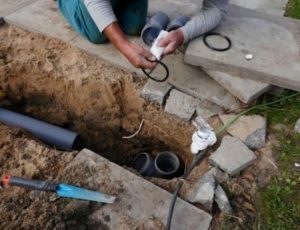
 When was your home built? Have you ever had your pipes inspected? If your home dates back more than a couple of decades, then a plumbing inspection is overdue.
 Plumbers are doing good work for water conservation, but how can we make their efforts go further? To avoid water waste, be on the lookout for leaks and have your plumber fix them right away.
 Contaminated water can have toxins like arsenic and lead, along with unhealthy levels of bacteria and viruses.
 Plumbing inside a home is a pretty convenient but invisible part of a modern household. When it’s working, you don’t really think about or notice it, because it’s so effortless. Turn a faucet, flush a toilet and things just take care of themselves.
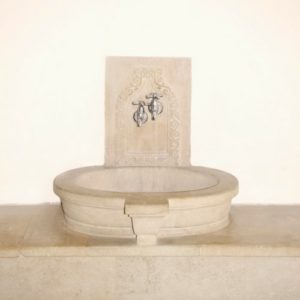 The Roman empire is now known as one of the great cultures of Europe, and it’s not just for their conquest of the Western world. Roman politics and science had a huge influence on the rest of the world, and the same is true of their engineering.
 Modern Convenience
 Thousands of people across North America are now looking at their water bills and wondering what they can do to reduce costs while
  You can enjoy your sprinkler while conserving energy resources by only playing with water outside when you need to water the lawn anyway.
 Another fun game to play with your kids this summer is pass the water balloon.
 on your floors or ceilings.
 Mold growth is extremely dangerous.
 Take time to find a contractor that you click with.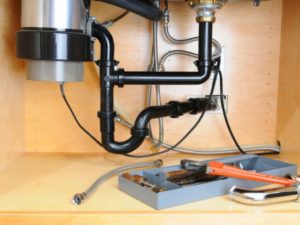
 When something is blocking your pipes, the ventilation is compromised, and a suction effect is created.
 You’ve most likely heard of Earth Day since it’s been happening every year since 1970. But have you or your family ever celebrated Earth Day before? This April 22, observe this international day by committing to green habits, by reducing your
  Install a tankless water heater. When your older storage-tank water heater is up for replacement, upgrade to a tankless water heater that will use 30 percent less energy, and save you plenty of money in the process. Standby loss means that storage-tank water heaters waste about 20 percent of the energy they use, and they only have a lifespan of about 10 years. On the other hand, tankless water heaters don’t experience standby loss, and they last about 20 years.
 The global water shortage affects billions of people across the globe, and you can help save water and do your part for the environment by adopting water-conservation habits at home. Here are nine simple ways you can save water and the planet:
 World Water Day is celebrated on March 22nd and marks the day when we all consider the valuable role that water plays in our day-to-day lives and our own role in ensuring there’s continued access to
  Limit shower use: